
The journey of learning begins long before a child enters primary school. Every conversation, activity, and interaction during the early years helps shape their confidence, curiosity, and ability to understand the world around them. A supportive environment gives children the opportunity to develop essential life skills while enjoying every stage of childhood. At First Idea Family Day Care, children experience personalised care and engaging educational activities designed to encourage healthy development in a safe and welcoming setting. Families looking for family day care Lyndhurst often value an environment where children are respected as individuals and inspired to reach their full potential through meaningful daily experiences.
Creating a Strong Start for Lifelong Learning
The first few years of life are a period of rapid growth and development. During this time, children develop language, social, emotional, and cognitive skills that influence future learning and wellbeing.
Positive early experiences encourage children to become confident learners who are eager to explore new ideas. A nurturing environment also supports emotional security, helping children feel comfortable while trying new activities and building relationships with others.
Children who enjoy learning from an early age often carry that enthusiasm into later stages of education.
Everyday Moments Become Valuable Lessons
Learning happens naturally when children participate in everyday experiences.
Simple activities such as reading books, helping prepare healthy snacks, planting flowers, creating artwork, singing songs, and exploring outdoor environments all encourage valuable skill development.
These experiences strengthen communication, creativity, coordination, and problem-solving while making learning enjoyable.
Practical learning allows children to understand how everyday tasks contribute to their knowledge and personal development.
By participating actively, children become more confident in their own abilities.
Supporting Curiosity Through Exploration
Children are naturally curious and constantly seek to understand how things work.
Providing opportunities to explore encourages children to investigate, observe, ask questions, and solve problems independently.
Activities including sensory play, nature walks, science experiments, puzzles, building projects, and imaginative games stimulate curiosity while strengthening creative thinking.
Hands-on experiences also help children become more resilient because they learn that challenges can be solved through persistence and exploration.
Curious children often become lifelong learners who enjoy discovering new opportunities.
Building Communication and Social Skills
Strong communication skills develop through regular conversations, storytelling, songs, and shared learning experiences.
As children interact with educators and other children, they learn how to express ideas, listen carefully, cooperate, and build positive relationships.
These social experiences also encourage empathy, patience, and respect for others.
Learning to communicate effectively supports emotional wellbeing while preparing children for future classroom participation and teamwork.
Positive relationships help children feel confident in both familiar and new environments.
Learning Through Creative Play
Play is one of the most valuable educational tools because it encourages children to learn while having fun.
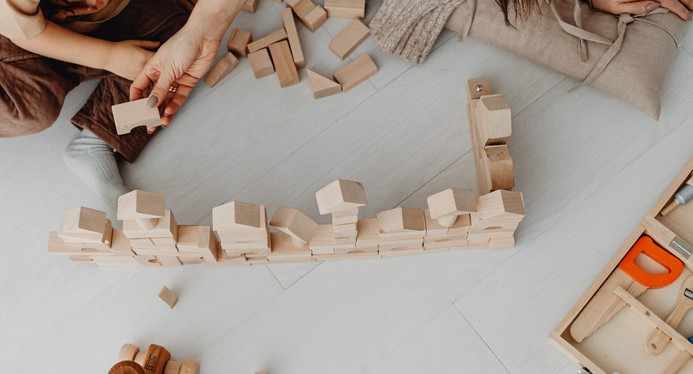
Building with blocks, role-playing, painting, music, dancing, puzzles, and outdoor activities all strengthen creativity, concentration, and physical coordination.
Families searching for a kids learning centre Lyndhurst often appreciate environments where structured educational experiences are balanced with imaginative play. This approach allows children to develop academically while also strengthening confidence, independence, and emotional expression.
Creative play encourages children to think differently, solve challenges, and enjoy learning through exploration.
Encouraging Independence
Children become more capable when they are encouraged to complete simple responsibilities independently.
Choosing activities, organising learning materials, tidying play areas, and helping with daily routines all strengthen responsibility and decision-making skills.
Every successful achievement builds confidence and motivates children to continue learning through new experiences.
Developing independence early prepares children to adapt confidently to future educational settings and everyday challenges.
Emotional Wellbeing Supports Development
Children thrive when they feel emotionally secure, respected, and supported.
Positive encouragement helps children understand their emotions while developing resilience and healthy coping strategies.
Learning that mistakes are part of the learning process encourages children to continue exploring without fear of failure.
A caring environment helps children develop self-confidence while building strong relationships with educators and peers.
Emotional wellbeing provides the foundation for successful learning throughout childhood.
Preparing Children for a Bright Future
Quality early childhood education provides children with the confidence, creativity, communication skills, independence, and resilience needed for lifelong success.
Children who experience positive learning environments develop a genuine love of learning and approach future opportunities with enthusiasm and confidence.
Families considering family day care Cranbourne often seek personalised care where every child receives individual attention, engaging educational experiences, and compassionate guidance suited to their unique development. Choosing a supportive early learning environment helps children build the skills, confidence, and knowledge needed to succeed at school while growing into capable, caring, curious, and confident individuals prepared for a successful future.



Write a comment ...