
The early years of childhood lay the foundation for a lifetime of learning, confidence, and personal growth. Every experience during this stage helps shape a child’s emotional, social, physical, and intellectual development. At First Idea Family Day Care, children are encouraged to explore their interests in a warm and supportive environment where learning is both enjoyable and meaningful. Families searching for family day care Lyndhurst often value personalised care that nurtures curiosity while helping children develop essential skills for the future.
Why Early Learning Is So Important
A child’s brain develops rapidly during the first few years of life, making this one of the most important stages for learning. During this period, children absorb information through everyday experiences, conversations, observation, and play.
Providing children with positive learning opportunities helps them develop confidence, independence, and resilience. They learn how to communicate effectively, solve simple problems, and interact positively with others. These early experiences become the building blocks for future academic success and personal wellbeing.
When children feel safe and supported, they are more willing to ask questions, explore new ideas, and embrace challenges with enthusiasm.
Learning Through Everyday Experiences
Children learn naturally through daily routines and hands-on activities. Every moment can become a valuable learning opportunity when children are encouraged to explore their surroundings.
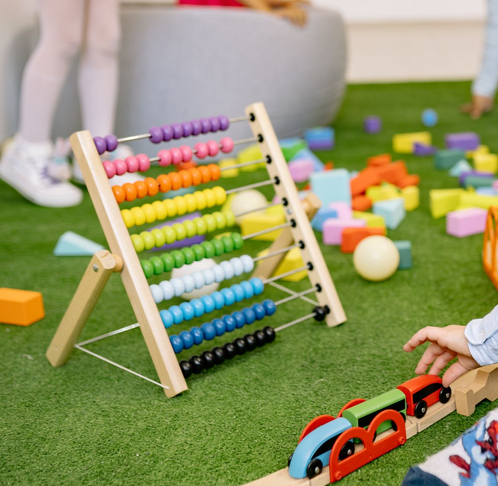
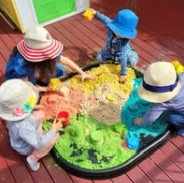
Activities such as storytelling, singing, painting, gardening, cooking, puzzles, and sensory play help children strengthen cognitive and motor skills while encouraging creativity. Outdoor exploration also supports physical development by improving balance, coordination, and confidence.
Practical experiences allow children to learn by doing rather than simply observing, making each lesson more meaningful and memorable.
Building Strong Communication Skills
Communication is a key part of a child's overall development. Children who are encouraged to express their thoughts and emotions become more confident in social situations and develop stronger relationships.
Reading books together, participating in conversations, and engaging in group activities help children expand their vocabulary while improving listening skills. Learning to communicate respectfully also teaches empathy and understanding.
Strong language skills support future learning while giving children the confidence to express themselves clearly and effectively.
Encouraging Independence from an Early Age
Helping children become independent builds self-confidence and responsibility. Allowing children to make simple choices and complete age-appropriate tasks encourages decision-making and problem-solving skills.
Activities like tidying toys, choosing books, organising materials, and following routines help children understand responsibility while building confidence in their own abilities.
As children become more independent, they learn that they are capable of overcoming challenges and achieving their goals through persistence and effort.
Supporting Emotional Development
Emotional wellbeing is just as important as academic learning. Children who feel emotionally secure are more likely to develop confidence and healthy relationships.
Positive encouragement teaches children that mistakes are part of learning rather than something to fear. This helps build resilience and allows children to approach new experiences with optimism.
Supportive caregivers also help children recognise and manage emotions while encouraging kindness, patience, and respect for others.
These valuable emotional skills continue to benefit children throughout their lives.
The Power of Creative Learning
Creativity encourages children to think independently and explore different ideas without limitations. Activities such as painting, music, storytelling, dance, dramatic play, and craft projects provide opportunities for self-expression while strengthening imagination.
Creative experiences also improve concentration, fine motor skills, and problem-solving abilities. Children learn there are many different ways to approach a task, helping them become flexible thinkers.
Encouraging creativity supports both emotional wellbeing and intellectual development while making learning enjoyable.
Learning Through Play
Play is one of the most effective methods of early childhood education because it combines fun with meaningful learning experiences. Through play, children strengthen physical coordination, language skills, social abilities, and critical thinking.
Building structures, solving puzzles, exploring nature, role-playing, and participating in group games all contribute to children's development in different ways.
Many families searching for child care Lyndhurst appreciate learning environments that balance educational activities with child-led play. This approach keeps children engaged while encouraging natural curiosity and exploration.
Building Positive Social Relationships
Social skills develop through everyday interactions with peers and caregivers. Children learn how to cooperate, share, listen, and respect others while participating in group activities.
Working together on projects teaches teamwork and communication while helping children understand different perspectives. Positive social experiences also encourage empathy and emotional intelligence.
Children who feel included and supported become more confident when interacting with others and forming lasting friendships.
Preparing Children for Lifelong Success
Quality early childhood education focuses on more than preparing children for school. It helps develop confidence, resilience, communication skills, creativity, and a genuine love for learning.
Children who enjoy positive early learning experiences are more likely to become independent thinkers who approach challenges with confidence and curiosity.
Strong foundations established during childhood continue supporting academic achievement, emotional wellbeing, and personal growth throughout life.
A Caring Environment Makes All the Difference
Every child deserves a place where they feel valued, respected, and encouraged to reach their full potential. A nurturing environment that supports exploration, creativity, and positive relationships helps children develop the skills needed for lifelong success.
Families considering family day care Dandenong often seek personalised care that focuses on each child's unique strengths while providing engaging learning experiences in a safe and welcoming setting. Choosing quality early childhood education is an investment in a child's future, giving them the confidence, knowledge, and life skills needed to grow into capable, compassionate, and successful individuals.



Write a comment ...