The early years of a child’s life are filled with learning, curiosity, and rapid growth. During this important stage, children begin to build the foundations for communication, emotional understanding, and social interaction. At First Idea Family Day Care, many parents searching for reliable child care Eumemmerring services are looking for more than just supervision—they want a supportive environment where their children can grow, explore, and develop essential life skills. A nurturing early learning setting helps children feel safe and confident as they begin discovering the world around them.
Early childhood care provides children with opportunities to learn through everyday experiences. Simple activities like storytelling, music, drawing, and interactive play encourage creativity and help children develop their imagination. These experiences also improve language development, as children learn to communicate with educators and peers while expressing their thoughts and emotions.
Building Confidence Through Early Learning
Confidence is one of the most valuable qualities children develop in their early years. When children are encouraged to explore new ideas and participate in activities, they gradually become more comfortable expressing themselves. Educators help guide this process by offering positive reinforcement and gentle support during challenges.
A well-structured environment also provides children with a sense of stability. Consistent routines help them understand daily expectations and build a feeling of security. For example, scheduled times for play, meals, and quiet activities allow children to adapt to structure while still enjoying creative freedom.
In addition to routine, a warm and welcoming atmosphere encourages children to interact with others. Social interactions during early learning years help children understand cooperation, sharing, and respect. These lessons are essential for building healthy relationships later in life.
Learning Through Play and Exploration
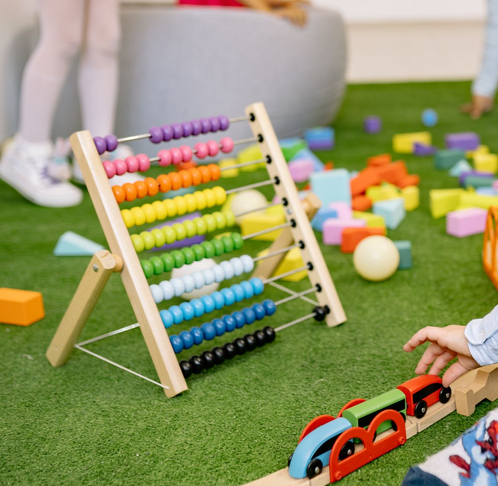
Play is one of the most powerful ways children learn. Through games, creative activities, and role-playing, children develop problem-solving skills and critical thinking abilities. Play-based learning allows children to explore ideas naturally while keeping them engaged and curious.
Outdoor play also plays an important role in development. Physical activities such as running, climbing, and balancing strengthen motor skills and improve coordination. These activities also encourage teamwork as children participate in group games and collaborative tasks.
Parents researching reliable day care centres Eumemmerring options often look for programs that combine structured learning with play-based activities. This balanced approach helps children develop academically while also supporting emotional and physical growth.
The Importance of Individual Attention
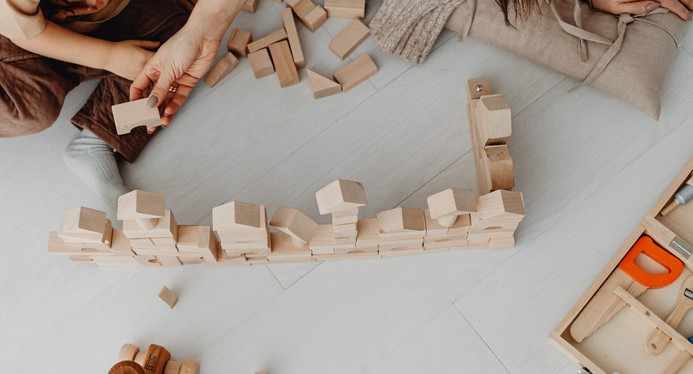
Every child has a unique personality and learning style. Some children enjoy creative activities such as painting or storytelling, while others prefer puzzles, building blocks, or hands-on exploration. Understanding these differences helps educators create learning experiences that support each child’s development.
Smaller learning environments can provide more personalised attention, allowing educators to observe how each child learns and interacts. This approach helps identify strengths and areas where additional encouragement may be helpful.
Strong communication between parents and educators also contributes to a child’s development. Regular discussions about a child’s progress allow families to stay involved and reinforce learning at home. When parents and educators work together, children benefit from a consistent and supportive environment.
Preparing Children for Future Education
Early childhood education helps prepare children for the transition into kindergarten and primary school. Through engaging activities, children gradually develop early literacy and numeracy awareness. Counting games, alphabet activities, and interactive storytelling introduce important concepts in an enjoyable way.
Equally important is the development of independence. Children learn to follow instructions, participate in group activities, and complete simple tasks on their own. These skills build confidence and help children adapt more easily when they enter formal schooling environments.
Children who experience positive early learning environments are often more comfortable asking questions and interacting with teachers and classmates. This confidence supports both academic and social success in the future.
A Strong Foundation for Lifelong Learning
Early childhood experiences influence how children approach learning for the rest of their lives. When children feel encouraged and supported, they develop curiosity, resilience, and a positive attitude toward challenges. These qualities help them adapt to new environments and continue learning as they grow.
Families exploring options such as family day care Lynbrook often look for providers who focus on holistic development. A balanced approach ensures children grow not only academically but also emotionally and socially.
Choosing the right early learning environment can make a lasting difference in a child’s life. When children are given the opportunity to learn in a nurturing and stimulating setting, they build the confidence and skills needed to thrive in school and beyond. Early childhood care is more than preparation for education—it is the foundation for a lifetime of growth and discovery.



Write a comment ...